
Have you ever wondered which fruit packs the biggest protein punch? Most of us reach for chicken, eggs, or beans when we think about protein-rich foods. But fruits? They’re not usually the first thing that comes to mind. Yet, some fruits are surprisingly high-protein options that can support weight loss, muscle building, and overall health.
If you’re looking for high-protein fruits for weight loss or simply want to add more variety to your plate, you’ve come to the right place. In this post, we’ll answer the question “which fruit has the most protein per 100g?”, give you a complete fruits protein chart, and share 10 delicious, protein‑packed recipes (including high-protein fruit juices) that make eating these fruits fun and easy.
Let’s dive in and celebrate the power of protein-rich fruits and vegetables – because vegetables also play a key role in a balanced, high-protein diet.
Quick Fruit Protein Tips (2 Essential Tips)
Before we get to the top 10 list, here are two simple tips to help you get the most protein from fruits and vegetables.
1. Eat the Whole Fruit, Not Just the Juice
When you juice a fruit, you lose most of the fiber and some of the protein‑rich pulp. That said, high-protein fruit juices (like guava or passion fruit smoothies) can still be a great option if you blend the whole fruit. For weight loss, whole fruits are usually better because they keep you fuller longer. But a fresh high-protein juice made with Greek yogurt or seeds can be a perfect post‑workout drink.
2. Pair Fruits with Other Protein Sources
Fruits alone won’t turn you into a bodybuilder, but they’re fantastic teammates. Combine high-protein fruits with Greek yogurt, cottage cheese, nuts, seeds, or even protein-rich vegetables like spinach and peas. This creates a balanced snack or meal that supports weight loss and muscle building without extra effort.
The Top 10 Fruits with the Most Protein Per 100g
After digging into the latest nutrition data (USDA and other scientific sources), the winner is clear. Here’s your fruits protein chart ranked from highest to lowest protein per 100g:
| Rank | Fruit | Protein (g) per 100g |
|---|---|---|
| 1 | Guava | 2.6 g |
| 2 | Avocado | 2.0 g |
| 3 | Passion Fruit | 2.2 g* |
| 4 | Jackfruit | 1.7 g |
| 5 | Blackberries | 1.4 g |
| 6 | Apricots (fresh) | 1.4 g |
| 7 | Raspberries | 1.2 g |
| 8 | Banana | 1.1 g |
| 9 | Nectarines | 1.1 g |
| 10 | Kiwi | 1.1 g |
*Passion fruit protein varies; some sources say up to 2.2g, others ~2.0g. It’s still a top contender.
So, which fruit has the most protein per 100g?
Guava takes the crown! With 2.6 grams of protein per 100g, this tropical gem beats every other common fruit. Plus, it’s loaded with vitamin C, fiber, and antioxidants – a true superfruit for weight loss and overall health.
Now that you know the champion, let’s turn these protein-rich fruits into tasty, real‑life meals, snacks, and even high-protein fruit juices.
10 High‑Protein Fruit Recipes to Fuel Your Day
Each recipe below features one of the top 10 fruits and adds extra protein from simple, wholesome ingredients. Most take less than 10 minutes to prepare.
1. Guava Power Smoothie (A High‑Protein Juice)
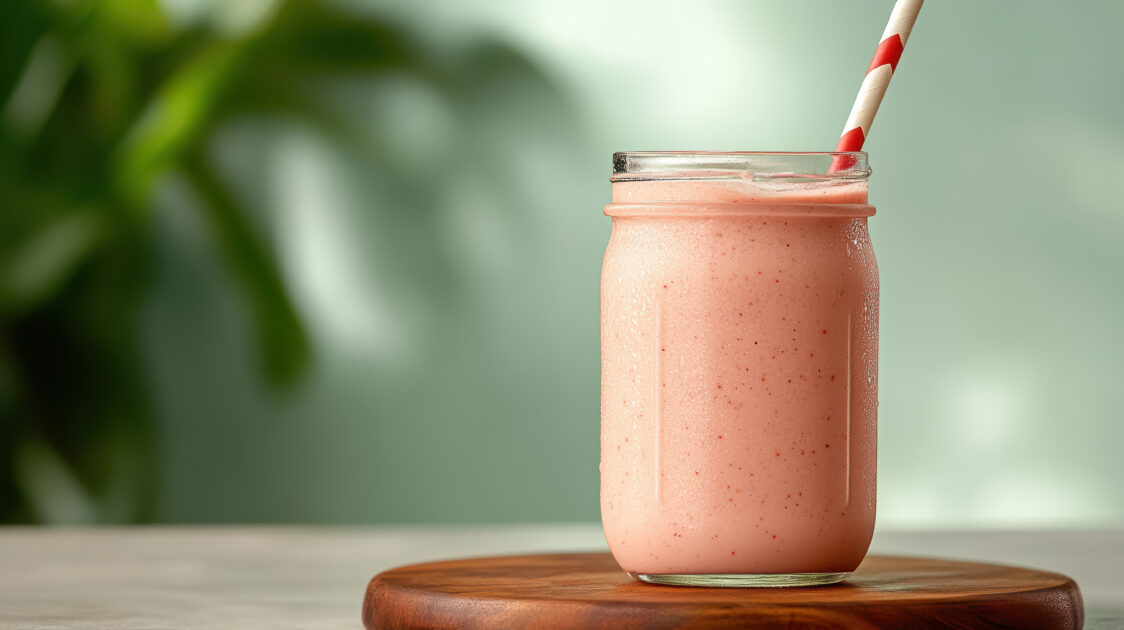
Why I love it: Creamy, tropical, and packed with protein – this smoothie tastes like a vacation in a glass. It’s one of my favorite high-protein fruit juices for breakfast or post‑workout refuel.
Ingredients (1 serving):
- 1 medium guava (approx. 100g)
- ½ cup plain Greek yogurt (15g protein)
- ½ cup unsweetened almond milk
- 1 tbsp chia seeds
- 1 tsp honey (optional)
Quick Tip: Blend the guava whole (skin and seeds – they’re edible and add fiber). If you prefer a smoother juice consistency, add more milk and strain after blending.
Note: Based on my experience, guava gives you a refreshing vibe and increases your focus. I recommend everyone to give it a try.
2. Avocado & Egg Protein Bowl
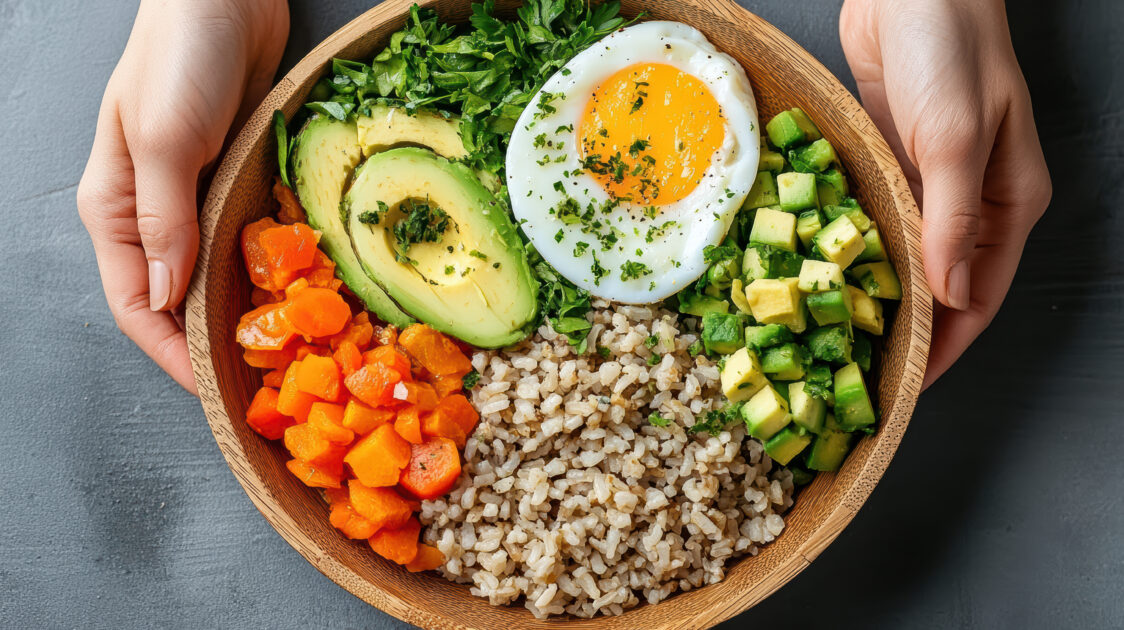
Why I love it: Avocado isn’t just healthy fats – it also delivers 2g protein per 100g. Paired with eggs, this bowl keeps you full for hours and supports muscle building.
Ingredients (1 serving):
- ½ avocado (approx. 75g)
- 2 hard‑boiled eggs
- 1 cup spinach (a protein-rich vegetable)
- 1 tbsp pumpkin seeds
- Squeeze of lemon, salt & pepper
Quick Tip: Mash the avocado and eggs together, then serve over spinach. Sprinkle seeds on top for extra crunch and high-protein goodness.
Note: Based on my experience, avocado is considered the “king” of healthy fat for me, so sometimes when I need to eat fat, avocado is my number one choice.
3. Passion Fruit Yogurt Parfait
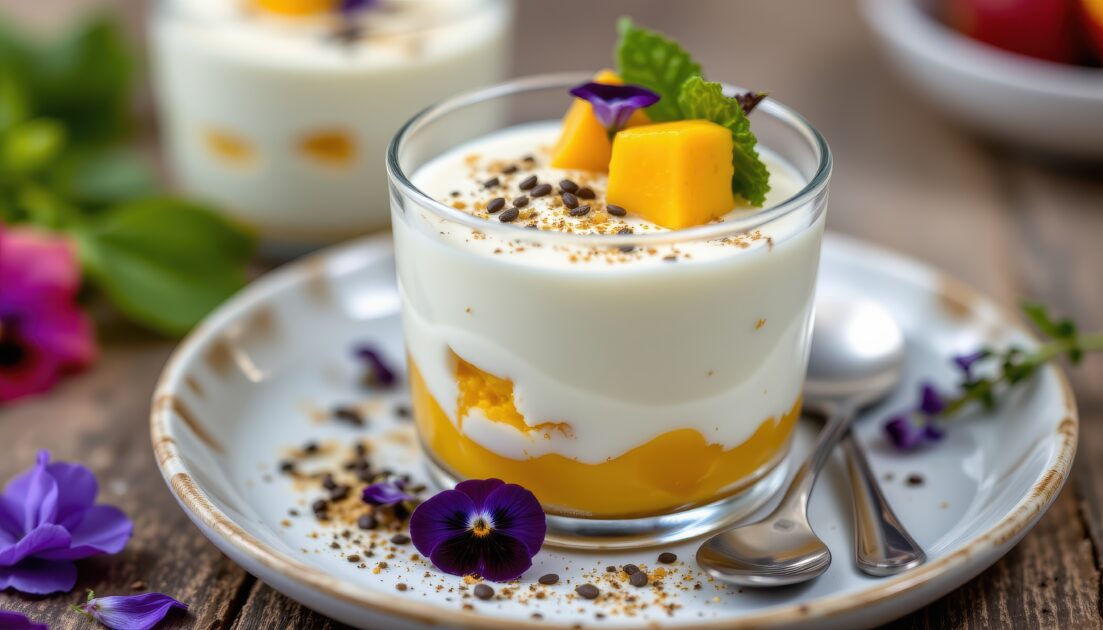
Why I love it: The tangy passion fruit seeds add a delightful crunch and a surprising amount of plant protein. Layer with yogurt for a dessert‑like snack that aids weight loss.
Ingredients (1 serving):
- Pulp of 2 passion fruits
- ¾ cup Greek yogurt (18g protein)
- ¼ cup granola (choose low‑sugar)
- 1 tbsp shredded coconut
Quick Tip: Scoop passion fruit pulp directly into the yogurt. No need to remove seeds – they’re the best part!
4. Jackfruit “Pull” Tacos (High‑Protein Vegan)
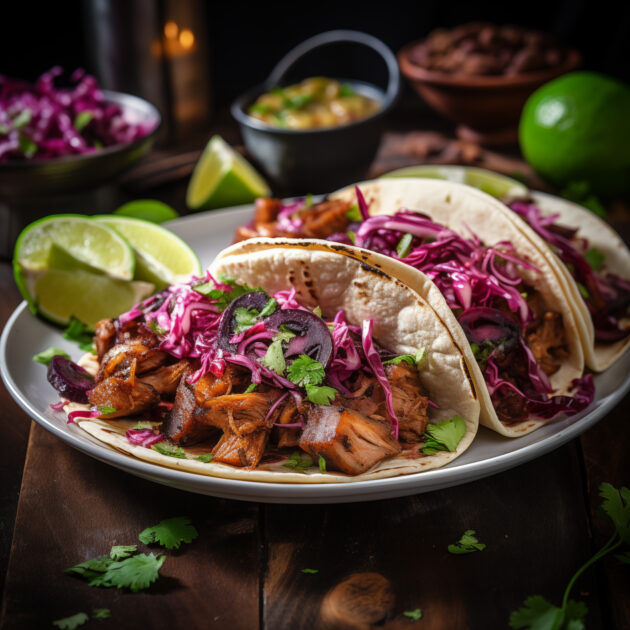
Why I love it: Young jackfruit mimics pulled meat, and when you add black beans, these tacos become a protein-rich powerhouse. Perfect for plant‑based muscle building.
Ingredients (2 servings):
- 1 can young jackfruit in water, drained & shredded
- 1 can black beans (rinsed)
- 4 corn tortillas
- ½ onion, sliced
- 1 tbsp taco seasoning
Quick Tip: Sauté jackfruit with onions and taco seasoning for 5 minutes. Mash slightly, then add black beans. Serve in warm tortillas with salsa.
5. Blackberry Chia Pudding
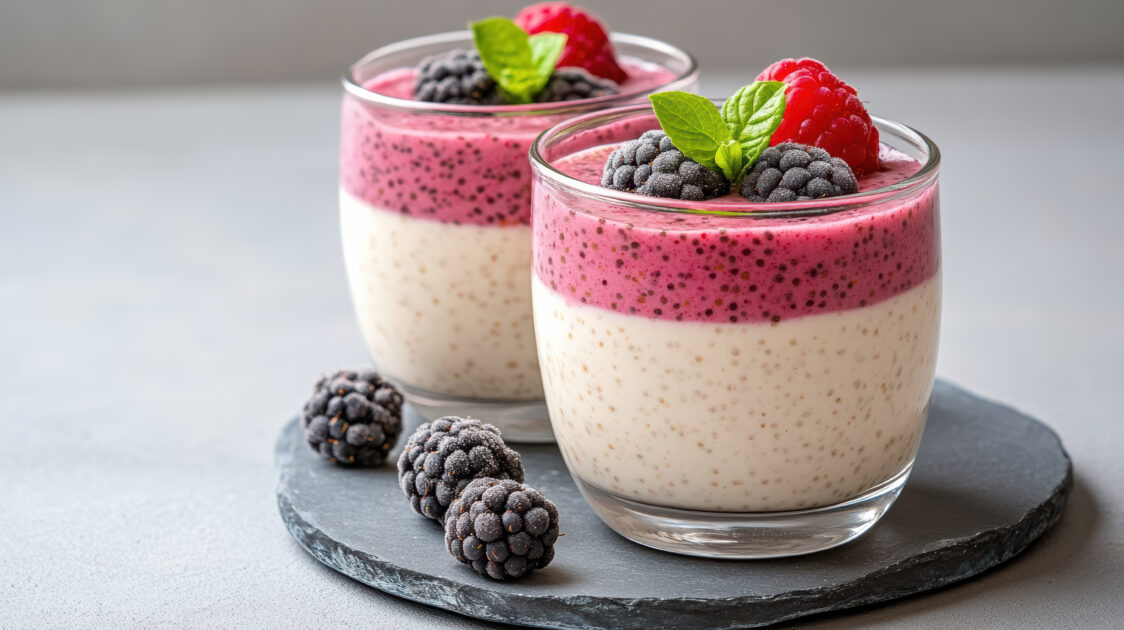
Why I love it: Blackberries and chia seeds work together to create a pudding that’s rich in protein, fiber, and antioxidants. Meal prep friendly and great for weight loss.
Ingredients (2 servings):
- 1 cup blackberries (fresh or frozen)
- ¼ cup chia seeds
- 1 cup unsweetened soy milk (7g protein)
- 1 tbsp maple syrup
Quick Tip: Blend blackberries with milk and maple syrup, then stir in chia seeds. Refrigerate overnight. Top with extra blackberries before eating.
Note: Based on my experience, buying blackberries has become my first choice when I enter the supermarket. I consider blackberries a great source of healthy protein.
6. Apricot & Cottage Cheese Snack Box
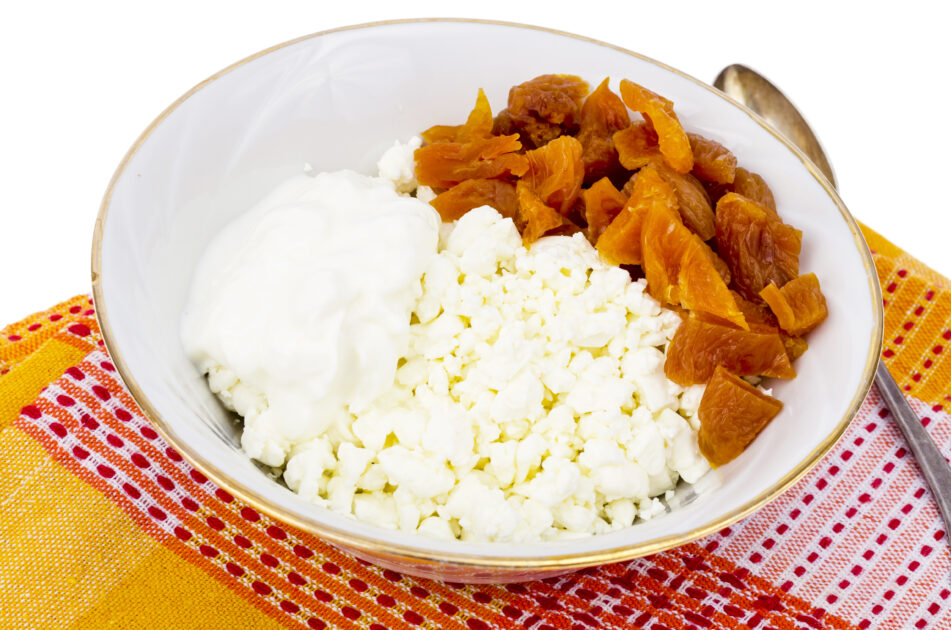
Why I love it: Fresh apricots are sweet, low in calories, and pair beautifully with cottage cheese – a classic high-protein duo for weight loss.
Ingredients (1 serving):
- 4 fresh apricots, halved
- ½ cup low‑fat cottage cheese (12g protein)
- 1 tbsp sunflower seeds
- Cinnamon dust
Quick Tip: Arrange apricot halves on a plate, spoon cottage cheese on top, sprinkle with seeds and cinnamon. Eat as a snack or light lunch.
7. Raspberry Protein Oatmeal
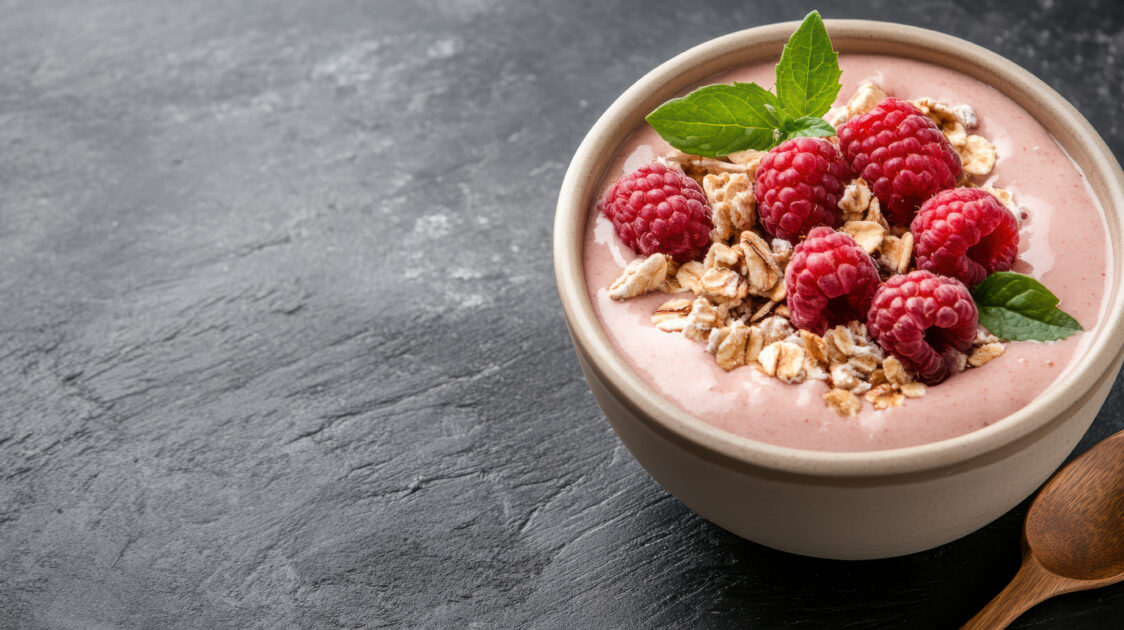
Why I love it: Raspberries add a tart pop of flavor and 1.2g protein per 100g. When mixed with oatmeal and protein powder, you get a warm, filling breakfast that supports muscle building.
Ingredients (1 serving):
- ½ cup rolled oats
- 1 cup milk of choice (adds 8g protein if using cow’s milk)
- 1 scoop vanilla protein powder (20g)
- 1 cup fresh raspberries
- 1 tbsp almond butter
Quick Tip: Cook oats with milk, then stir in protein powder off the heat to avoid clumps. Top with raspberries and almond butter.
8. Banana & Peanut Butter Protein Bites
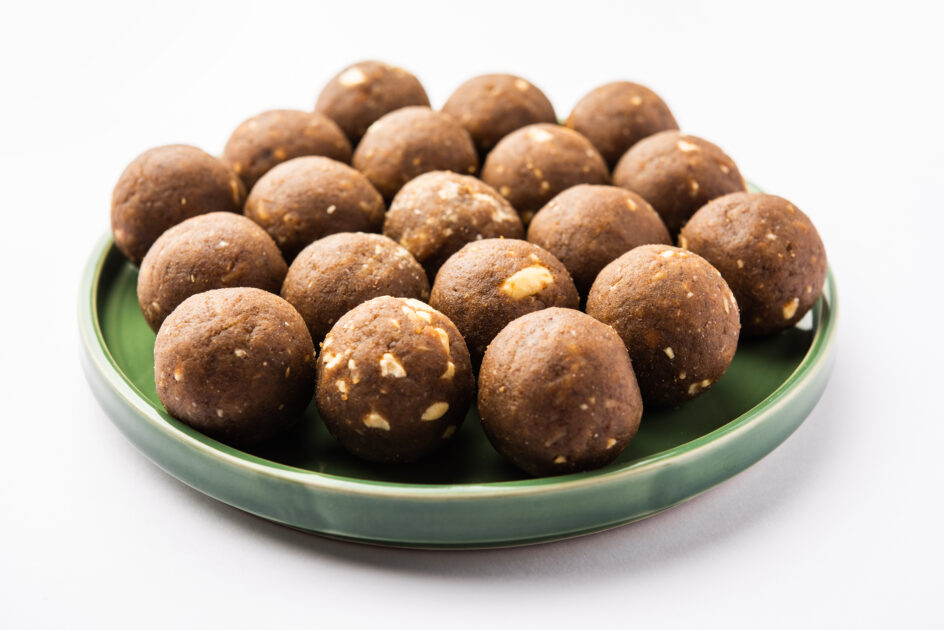
Why I love it: Bananas are a gym‑goer’s best friend. These no‑bake bites combine banana with peanut butter and oats for a quick energy boost – perfect for muscle building on the go.
Ingredients (makes 10 bites):
- 2 ripe bananas (mashed)
- ½ cup natural peanut butter (12g protein)
- 1 cup rolled oats
- ¼ cup hemp seeds (10g protein)
Quick Tip: Mix all ingredients, roll into balls, and refrigerate for 30 minutes. Store in the fridge for up to a week.
Note: Based on my experience, I think the best time to eat a banana is after dinner, but some days I only prefer to eat a banana for dinner so I don’t need to wait for food to digest before I go to sleep.
9. Nectarine & Ricotta Toast
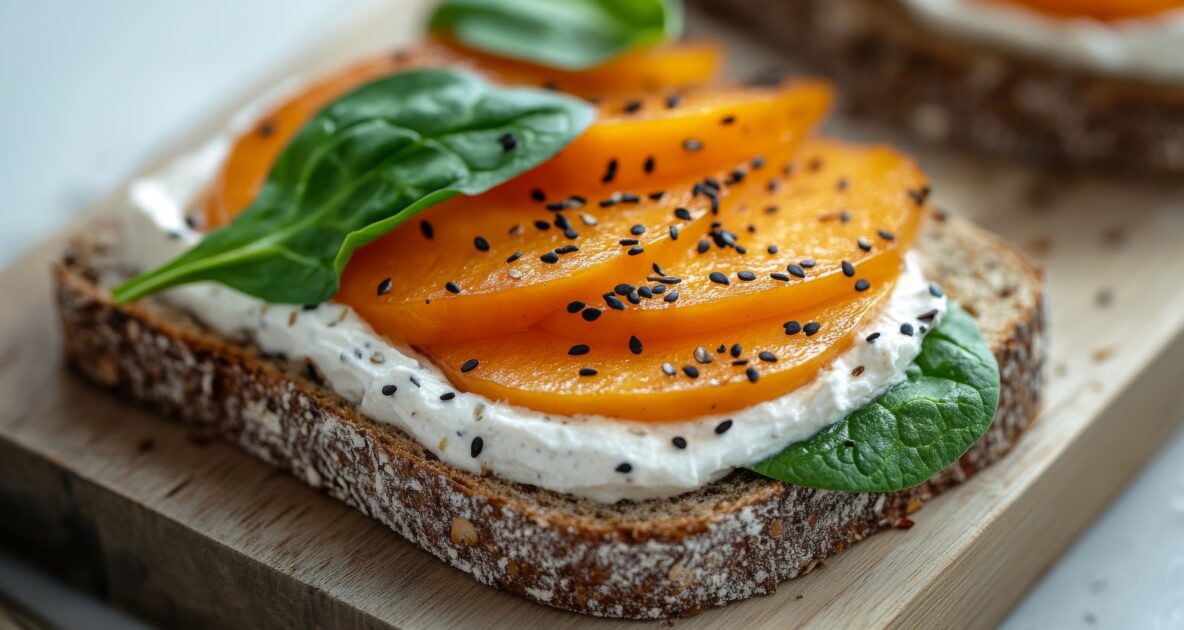
Why I love it: Creamy ricotta cheese and juicy nectarine slices on whole‑grain toast – it’s like a fancy cafe breakfast but ready in 5 minutes. Great for a high-protein start to your day.
Ingredients (1 serving):
- 1 slice whole‑grain bread
- ¼ cup part‑skim ricotta (7g protein)
- 1 nectarine, thinly sliced
- Honey drizzle & crushed pistachios
Quick Tip: Toast the bread, spread ricotta, layer nectarine slices, and finish with honey and pistachios for extra protein.
10. Kiwi Green Smoothie Bowl (Another High‑Protein Juice Style)
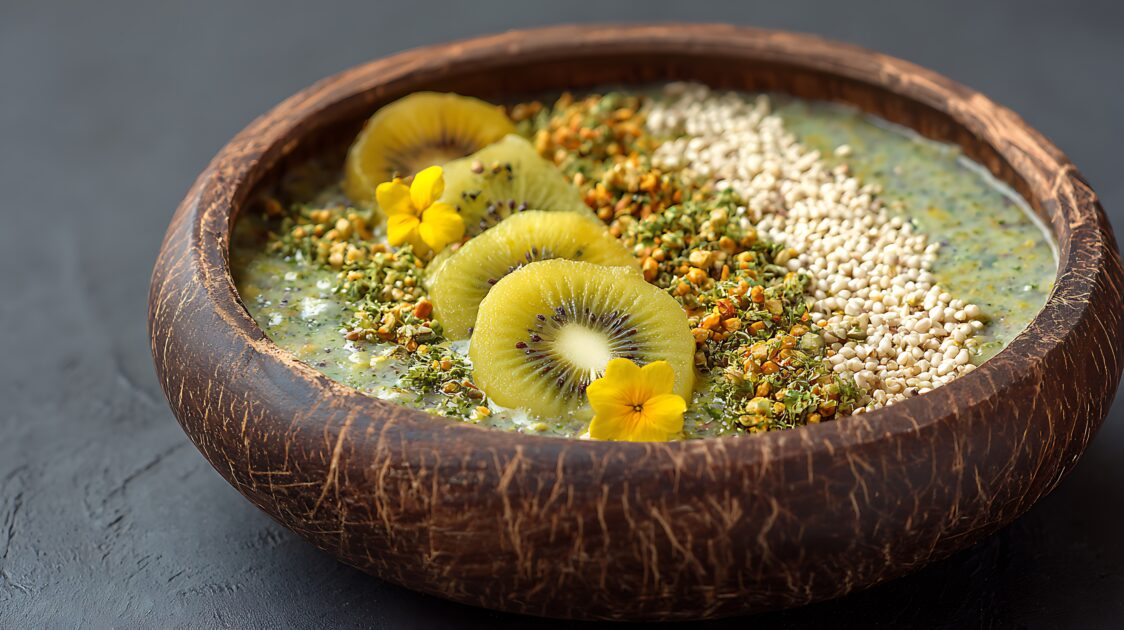
Why I love it: Kiwi brings a vibrant green color and a tangy sweetness. Blended with spinach (a protein-rich vegetable) and Greek yogurt, this bowl is a nutrient powerhouse. It’s thick enough to eat with a spoon but can also be thinned into a high-protein fruit juice.
Ingredients (1 serving):
- 2 kiwis, peeled
- 1 cup spinach (adds plant protein)
- ½ cup Greek yogurt (15g protein)
- ½ frozen banana
- ¼ cup unsweetened coconut water
Quick Tip: Blend everything until smooth, pour into a bowl, and top with granola, sliced kiwi, and chia seeds. For a drinkable juice, add more coconut water.
Step‑by‑Step Tips to Maximize Protein from Fruits & Vegetables
Follow these three simple steps to make protein-rich fruits and vegetables a regular part of your healthy lifestyle.
1. Create a Protein‑Fruit & Vegetable Pairing Chart
Print or save the fruits protein chart above. Next to each fruit, write down a complementary protein source and a protein-rich vegetable you enjoy. For example:
- Guava → Greek yogurt + spinach
- Avocado → egg + peas
- Passion fruit → cottage cheese + kale
- Jackfruit → black beans + bell peppers
This makes meal planning effortless and ensures you’re getting high-protein variety.
2. Prep Fruit & Protein Combos for the Week
Every Sunday, wash and chop your favorite high-protein fruits (guava, apricots, kiwi, etc.) and some protein-rich vegetables (like broccoli, edamame, or asparagus). Portion them into containers along with pre‑measured nuts, seeds, or cheese. When hunger strikes, you’ll have a ready‑to‑eat, balanced snack that supports weight loss and steady energy.
3. Use Fruits as Natural Sweeteners in High‑Protein Meals & Juices
Instead of adding sugar or syrup to your protein shakes, oatmeal, or high-protein fruit juices, mash a banana or blend some blackberries. You’ll get natural sweetness plus extra protein, fiber, and vitamins – all without spiking your blood sugar. This is especially helpful for weight loss because you avoid empty calories.
Conclusion
You don’t need to eat a mountain of meat to meet your protein goals. Protein-rich fruits and vegetables like guava, passion fruit, blackberries, and spinach are delicious, versatile, and come with a bonus of vitamins, minerals, and antioxidants.
Whether you’re focused on weight loss, muscle building, or simply eating more whole foods, adding these fruits to your daily routine is a smart, tasty move. Remember the answer to “which fruit has the most protein per 100g?” – guava! Try it in a smoothie, on top of yogurt, or as part of a high-protein fruit juice blend.
Most importantly, be kind to yourself. Healthy eating isn’t about perfection – it’s about progress. Start with one new fruit this week, pair it with a protein-rich vegetable or a protein source you love, and enjoy the journey. Your body will thank you.
Now go grab a guava and get creative! 🍈